
GreenFiber Vapor Barrier Installation: The Woodland Hills Owner’s Guide
GreenFiber vapor barrier installation in Woodland Hills typically runs $1.50 to $3.25 per square foot installed, and we stock GreenFiber-compatible vapor barrier material on the truck for same-week installs in most cases. Most homeowners discover the barrier has failed when they climb into the attic in August and the insulation feels damp, or when they notice condensation staining on the ceiling below the attic access. The vapor barrier sits between your conditioned living space and the attic’s unconditioned air, and in Woodland Hills, where summer attic temperatures routinely hit 140 degrees and winter nights dip into the 40s, that barrier works hard every single day. Neil Barron and our crew see the same failure pattern house after house near Warner Center: a torn or missing section lets humid air rise into the GreenFiber insulation, and once that cellulose gets damp, its R-value drops fast and the barrier job becomes an insulation job too.
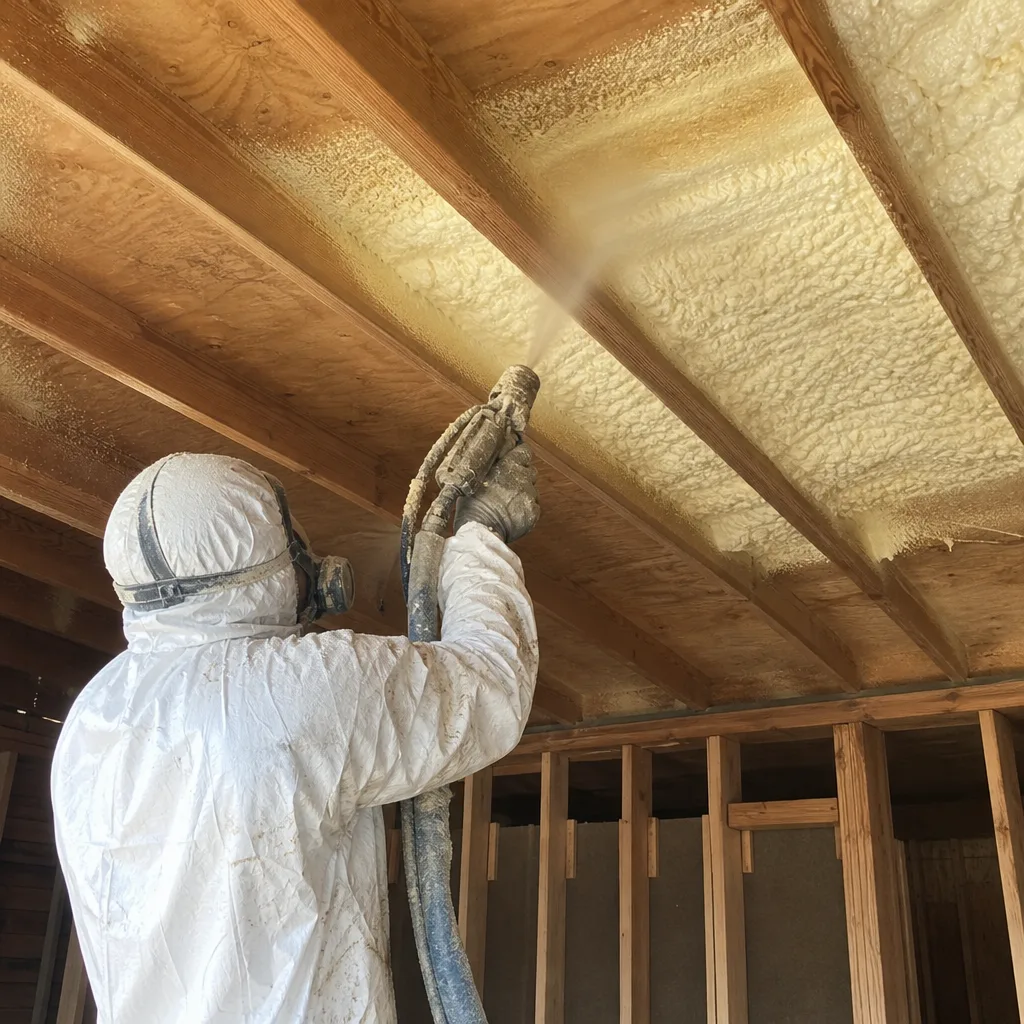
Which GreenFiber Models This Applies To
GreenFiber makes several insulation product lines, and the vapor barrier compatibility question comes down to which one is already in your attic. If you have GreenFiber’s blown-in cellulose (the most common product we see in Woodland Hills ranch-style homes), the vapor barrier is a separate polyethylene sheet installed on the attic floor or stapled to the underside of the roof deck, depending on your attic configuration. If you have GreenFiber’s batt insulation, the vapor barrier is often the kraft-paper facing already attached to the batt itself, and installation means making sure those facing tabs are properly overlapped and stapled. Here’s the compatibility gotcha most guides miss: you cannot mix a plastic sheet vapor barrier with faced GreenFiber batts in a Woodland Hills attic. The paper facing already acts as the vapor retarder, and adding a poly sheet over it traps moisture between the two layers, which is exactly where mold starts. If you’re unsure which GreenFiber product you have, check the attic for printed bag labels or batt facing; if there’s no label and you see loose gray cellulose, it’s blown-in and needs a separate barrier if one wasn’t installed originally.
Signs Your GreenFiber Vapor Barrier Installation Is Failing
- Damp or clumping GreenFiber insulation. Cellulose absorbs moisture quickly, and once it clumps, the trapped water destroys its R-value. We regularly find this in Woodland Hills attics where a vapor barrier seam split during the summer and never got caught.
- Water stains on ceilings below the attic. This means moisture has condensed and pooled somewhere above the drywall. It’s often directly under an attic access panel or a torn barrier seam.
- Attic smells musty or earthy in the morning. That’s the smell of damp cellulose and the first sign that the barrier isn’t stopping humid air from rising into the insulation layer.
- Visible plastic sheeting sagging or pulled away from the roof deck. In Woodland Hills, the heat cycle of July afternoons followed by cool overnight air loosens staples and tape over time, and once the barrier sags, it creates gaps.
- Higher cooling bills in July and August with no other explanation. Damp insulation doesn’t insulate. When the barrier fails and the GreenFiber picks up moisture, your AC works harder to fight attic heat transfer, and the bill shows it.
Replacement Cost & What’s Included
A complete GreenFiber vapor barrier installation in a typical Woodland Hills attic runs between $1,500 and $4,200 installed, with the spread driven by attic square footage, ceiling height, and whether existing insulation needs to be temporarily moved or replaced. The material itself is the smaller line item; most of what you pay for is careful installation around rafters, junction boxes, and hatches, because a vapor barrier only works if every seam is taped and every edge is sealed. Every estimate we write is a single number, in writing, before any work starts, and it covers the barrier material, all tape and staples, shoe covers and drop cloths through your home, and the cleanup photo before we leave. If the GreenFiber insulation itself has absorbed moisture, we’ll give you a separate line item for replacement, and we walk through exactly what needs to happen, and why, before we ask you to approve anything. The work is covered by our 365-Day Done Right Promise: if the barrier isn’t right, we make it right, no debate.
DIY or Call Us?
A vapor barrier itself is not a high-tension or electrical hazard, so a careful homeowner can inspect from the attic ladder and spot obvious tears, gaps, or staples that have popped loose. What we caution against is the knee-jerk fix: laying a new plastic sheet directly over damp GreenFiber insulation. Trapping moisture inside your insulation layer is how you get mold and rot inside your attic, and the contamination spreads beyond what a weekend fix can address. If your inspection shows dry insulation and one small tear, patching with the right tape might hold; if you see any dampness, sagging, or barrier sections pulled completely free, call us before adding anything on top. We’ll send a uniformed, background-checked technician who can tell you in one visit whether this is a patch or a replacement, and you’ll have a written number before a single tool comes out of the truck. Reach us at (559) 245-9223 for an honest read on what you’re looking at.
FAQs
A properly installed GreenFiber-compatible vapor barrier in a Woodland Hills attic lasts 15 to 20 years on average, though the heat cycles we get here, where the attic swings from 140 degrees in August to near freezing on January nights, wear out tape and seams faster than in coastal climates. If your barrier is over a decade old, it’s worth an inspection. Call us at (559) 245-9223 and we’ll take a look before you commit to anything.
A single clean tear in an otherwise intact barrier can often be repaired with the right sealing tape, but multiple tears, sagging sections, or any sign of moisture in the GreenFiber insulation usually means full replacement is the honest fix. We’ll give you a straight answer after looking at the attic, and the repair versus replace decision is yours with a written price either way.
Most Woodland Hills attics take one full day for our two-person crew, including moving and re-spreading insulation where needed, sealing all seams, and the cleanup walkthrough with photos. Larger attics or insulation replacement can stretch into a second day, which we’ll tell you up front before the start date.
We stock GreenFiber-compatible vapor barrier material on our trucks for standard Woodland Hills attic sizes, along with the sealing tape and staples needed for a complete install. We also carry Reflectix for radiant barrier applications where that product fits the attic better. Call (559) 245-9223 and we’ll confirm we have what your attic needs before we schedule the visit.
Know What Goes In Before the First Board Comes Down
That’s the rule Neil Barron has run our Woodland Hills crew by since 2003. Before any work begins, you’ll sit down with one of us and walk through exactly which barrier goes where, what it does for the GreenFiber above your ceiling, and what the written number covers down to the last roll of tape. We wear shoe covers from the front door to the attic hatch, we lay drop cloths across your hallway and under the hatch, and we choose materials with your family in mind, including pet-safe options where a choice exists. If you suspect your vapor barrier is failing, or you just want a trained eye on the attic before the next heat wave, call (559) 245-9223. A live person answers, any hour, and we’ll schedule a visit that starts with an honest look, not a sales pitch.
Written by Neil Barron, Owner, Thistledown Insulation Woodland Hills at Thistledown Insulation Woodland Hills, serving Woodland Hills and nearby areas.