
Icynene Attic Insulation: The Woodland Hills Owner’s Guide
We stock and install Icynene-compatible spray foam and attic insulation for Woodland Hills homes, with typical attic insulation projects ranging from $1,800 to $4,200 depending on attic size, existing material removal, and the specific Icynene product line you have. Most Icynene repairs and top-offs can be scheduled within 48 hours, and our trucks carry the most common Icynene-compatible materials so we’re often able to complete the work in one visit. The way homeowners usually discover their Icynene insulation has failed is subtle: a room that won’t hold temperature, a musty smell near the ceiling, or a utility bill that climbs without explanation. By the time it’s visible, the material has usually been underperforming for months.
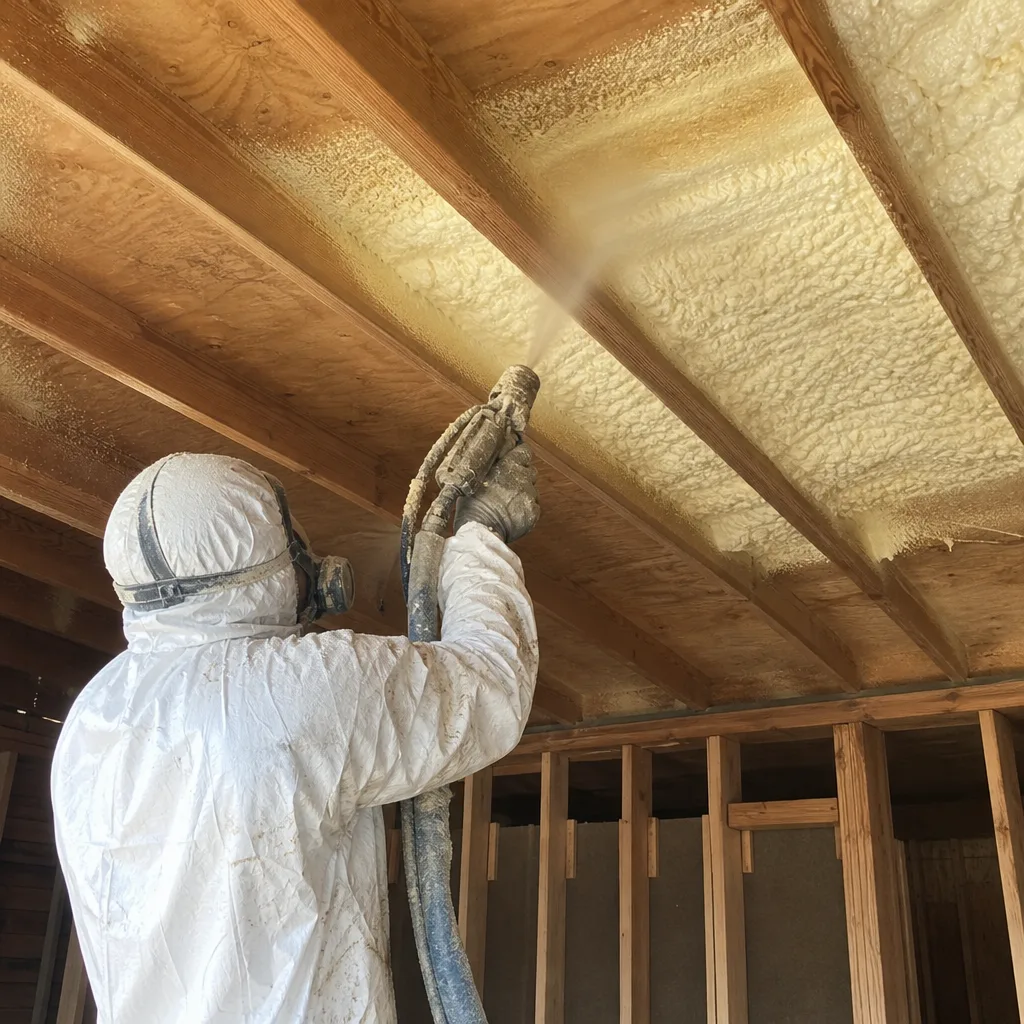
Which Icynene Models This Applies To
Icynene produces two families of spray foam that show up in Woodland Hills attics: open-cell (Icynene Classic and its variants) and closed-cell (Icynene ProSeal and similar formulations).The difference matters more than most homeowners realize. Open-cell foam is softer, expands more during installation, and breathes. Closed-cell foam is denser, adds structural rigidity, and acts as a vapor barrier. If your attic has open-cell Icynene and you top it with a closed-cell product, the vapor profile changes and moisture can get trapped. That’s the compatibility gotcha we see most often with DIY patches and handyman repairs across the Woodland Hills area. When you’re identifying what you have, the original installer usually left a card or sticker inside the attic access or on the electrical panel, and the texture alone tells a lot: open-cell feels spongy and can be indented with a finger, while closed-cell feels rigid and doesn’t compress under light pressure. Icynene’s OEM replacement materials are excellent, but for open-cell top-offs, a high-quality equivalent from Demilec or CertainTeed often performs comparably at a lower material cost. We stock Icynene-compatible open-cell and closed-cell options on our trucks, along with Reflectix radiant barrier for homes where heat gain through the roof deck is the primary issue.
Signs Your Icynene Attic Insulation Is Failing
- Hot or cold spots in rooms directly under the attic. Open-cell Icynene can settle or pull away from framing over time, especially in older Woodland Hills ranch-style builds where the roof deck flexes more than newer construction. That gap becomes a thermal bridge you’ll feel in the room below.
- Higher cooling bills in summer without a habit change. Woodland Hills regularly sees attic temperatures above 130°F in July and August. When Icynene loses adhesion or was installed off-ratio, the attic heat load transfers into the living space, and your AC works harder for the same indoor temperature.
- A damp or musty smell near the ceiling. Off-ratio open-cell foam (where the two chemical components didn’t mix correctly) can retain moisture and hold it against roof sheathing. This is a common failure mode we repair, and it’s one reason we always check the underside of the roof deck during an attic assessment.
- Visible shrinkage or gaps where foam meets rafters. Icynene is a quality product, but no spray foam is immune to installation variables. If you can see daylight or gaps at the edges of the foam, it’s no longer performing at its rated R-value.
- Pest activity in the attic. Rodents and squirrels in the Woodland Hills area will burrow through open-cell foam more readily than closed-cell. If you see tunnels or foam debris on the attic floor, the insulation has been compromised and needs rebuild work, not just a trap.
Replacement Cost & What’s Included
For a typical Woodland Hills attic between 1,200 and 1,800 square feet, removing failed Icynene and replacing it runs $2,500 to $4,200. A smaller top-off or patch job, where we remove only the damaged section and spray new compatible foam, typically lands between $800 and $1,500. The exact number depends on three things: how much material has to be removed, whether the roof deck needs cleaning or drying before reapplication, and which Icynene formulation you have. Every job we quote includes a written price before any work begins, with no range and no surprise line items. The number covers material, labor, drop cloths and shoe covers, and the photo we send you of the clean-up before the van pulls away. Every job is backed by the 365-Day Done Right Promise: if it’s not done right, we make it right. No debate, no fine print.
DIY or Call Us?
What a homeowner can safely do is inspect: look for visible gaps, discoloration, or foam debris on the attic floor. A visual check costs nothing and helps you describe what you’re seeing when you call. What we don’t recommend is spraying new foam over failed Icynene without proper preparation, and here’s why: spray foam requires precise chemical ratios and substrate conditions. Off-ratio foam off-gasses and can cause indoor air quality issues, and applying over damp or dirty surfaces repeats the original failure. If the existing material is wet against sheathing, you also want a professional to check the roof deck for rot before sealing anything back in place. Spray foam is best left to trained, equipped crews. If you’ve seen gaps in your Icynene or suspect it’s failing, call (559) 245-9223 and we’ll assess it and give you a written number before any work starts.
FAQs
Properly installed Icynene spray foam lasts the life of the home, but the real-world lifespan in Woodland Hills depends on installation quality, attic ventilation underneath the roof deck, and whether the original installer hit the correct chemical ratio. We see well-installed Icynene performing at full R-value 20 years in, while off-ratio or poorly adhered foam can fail within 5 to 7 years. Call (559) 245-9223 and we’ll tell you honestly whether your foam is sound or needs attention.
Localized failures, like shrinkage at rafter edges or a small moisture-damaged area, can usually be cut out and re-sprayed with a compatible product without tearing out the entire attic. The deciding factor is whether the foam is still adhered properly and whether the roof deck is dry. We’ll assess the full attic and give you a written price for exactly the repair needed, never more.
Most single-attic Icynene top-offs and patch repairs are completed in one day, with removal of failed material taking up a large portion of that time. Full attic replacements in larger Woodland Hills homes can run two days. You’ll have a clear schedule and a written price before we start.
Yes. Our trucks carry open-cell and closed-cell Icynene-compatible spray foam, plus Reflectix radiant barrier for attics where heat gain through the roof deck needs to be addressed. If we identify a special-order need during the assessment, we’ll tell you before the work day so there’s no delay or surprise.
If you’re noticing any of the signs above in your Woodland Hills home, or you’ve spotted a gap in your Icynene and want a straight answer, call (559) 245-9223 for a free estimate. Neil Barron and the Thistledown crew will walk the attic with you, explain exactly what’s happening, and put the number in writing before anything comes off the truck. Know what goes in before the first board comes down.
Written by Neil Barron, Owner, Thistledown Insulation Woodland Hills at Thistledown Insulation Woodland Hills, serving Woodland Hills and nearby areas.