
Owens Corning Radiant Barrier Installation: The Woodland Hills Owner’s Guide
We install Owens Corning radiant barrier foil in Woodland Hills attics, with most jobs running $1,850 to $3,300 installed for a typical 1,200 to 1,800 square foot attic, and we can usually schedule within three to five days. The most common way owners discover their existing radiant barrier failed is a July electric bill that jumps $80 to $120 over the same month last year, or an upstairs hallway that suddenly reads 10 degrees hotter than downstairs. If your Owens Corning radiant barrier is peeling, torn at the seams, or covered in construction dust from a roof replacement, you are losing the reflectivity that keeps your attic from becoming a convection oven. Neil Barron and our crew stock Owens Corning radiant barrier on the truck, and we will give you a written price before any material leaves the van.
Which Owens Corning Models This Applies To
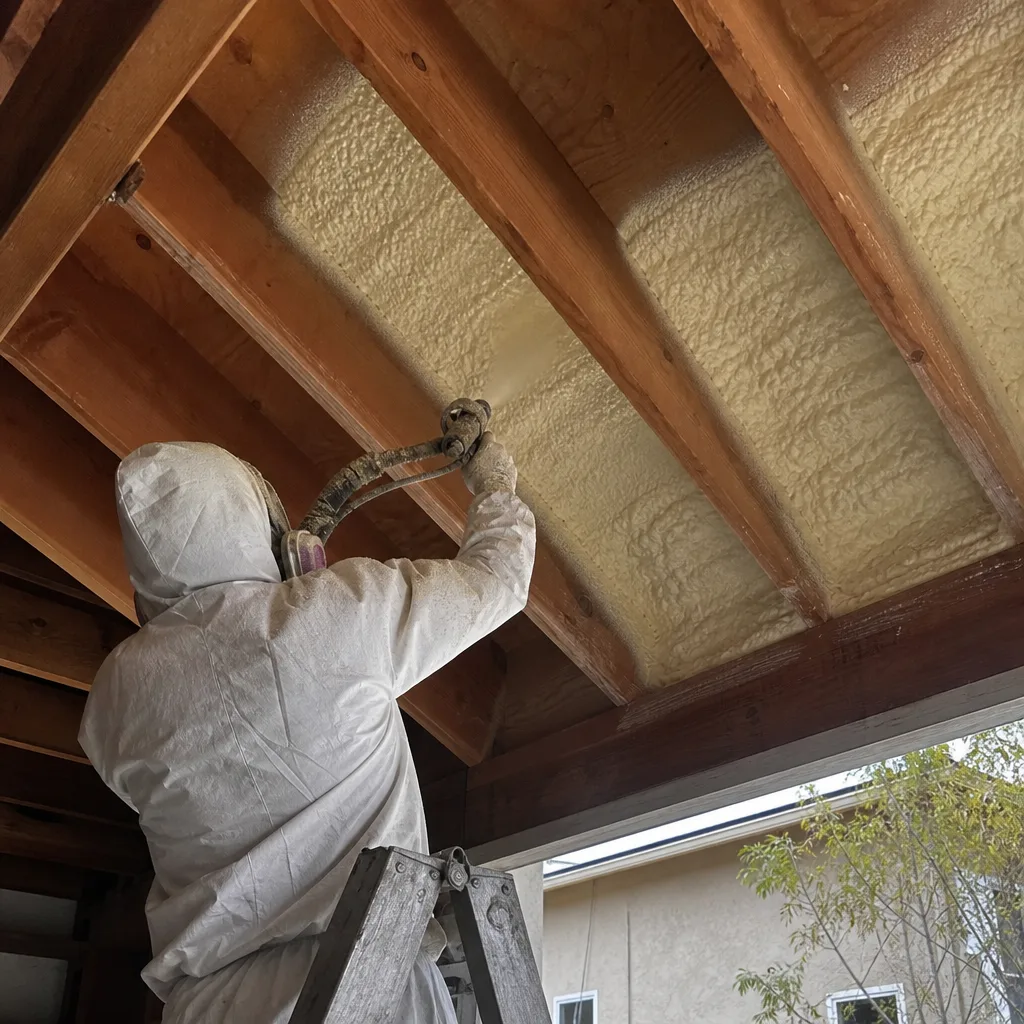
Owens Corning makes radiant barrier under two main product lines that we work with regularly: the SolarBord Radiant Barrier Sheathing and the Foil Backed Radiant Barrier Insulation roll product. The SolarBord is a structural roof sheathing with foil laminated to one face, which matters because it cannot be retrofitted onto an existing roof without a reroof. The foil-backed roll product is what we install in existing attics, either stapled to the underside of the rafters or laid over existing insulation on the attic floor. One compatibility gotcha we see often in Woodland Hills: if your home was built after 2005 with SolarBord sheathing, adding a second radiant barrier layer under the rafters creates a double vapor barrier, and we generally advise against that combination. The foil roll product is also sold under the Reflectix brand, which we keep on hand for smaller patches and knee-wall applications. When you call, we will ask you to check the attic for any printed markings on the foil itself, or snap a photo of the product edge with a tape measure next to it, so we can confirm the exact material before we arrive.
Signs Your Owens Corning Radiant Barrier Installation Is Failing
- Foil peeling or delaminating from the substrate. In Woodland Hills attics that reach 140°F in August, the adhesive between the foil and the backing material breaks down over time. Once the foil starts separating, it loses contact with the surface it is supposed to reflect from, and its performance drops sharply.
- Tears, rips, or sagging between rafters. We see this most often after roofers, electricians, or pest control crews have been in the attic. A radiant barrier only works if it stays taut and continuous; a section that sags six inches is not reflecting heat the way it was designed to.
- Dust coating on the foil surface. Construction dust, blown-in insulation fibers, and even fine Valley grit that finds its way through ridge vents settles on the foil and kills reflectivity. Radiant barrier works by reflecting infrared heat, and a layer of dust turns it into a dull gray surface that just absorbs heat instead.
- Upstairs rooms consistently hotter than the thermostat setting. When the barrier is doing its job, your attic stays within 10 to 15 degrees of outdoor temperature. When it fails, the attic becomes a heat bank that radiates down through the ceiling insulation all night long.
- Visible staples pulling loose or missing. The foil is only as good as its fastening. In older Woodland Hills ranch-style homes with original radiant barrier, we often find sections where every third staple has popped, letting the foil flap in the breeze from passive vents and creating micro-tears at every stress point.
Replacement Cost & What’s Included
In Woodland Hills, a full radiant barrier replacement in a standard single-story attic runs $1,850 to $3,300, depending on attic size, roof pitch, and how much old material needs to come down first. A taller attic with a steep pitch takes longer to work in, and if we are pulling down failed foil before installing the new Owens Corning roll, that labor is part of the number, not a hidden add-on. Your written estimate covers the full material count, removal of the old barrier, installation, and clean-up. We include the same 365-Day Done Right Promise on every radiant barrier install we do, which means if something is not right within a year, we come back and fix it without a debate. And every job starts with a written price, so the number you approve is the number you pay.
DIY or Call Us?
There are safe things you can check from the attic access without touching anything: photograph the foil condition, note where it is sagging or peeling, and check if any sections are missing entirely. What you should not do is attempt a full radiant barrier installation yourself. Attics in Woodland Hills reach 130°F to 150°F in summer, and working overhead with long rolls of foil in that heat is genuinely dangerous. The risk is not just heat exhaustion; it is misjudging a step and putting a foot through the drywall below, or a staple gun misfire in a tight spot. We also tell parents directly: we will lay drop cloths across your hallway, wear shoe covers from the front door to the attic hatch, and quiet the tools if a child is napping. You will know exactly what goes in before the first board comes down, because Neil Barron walks every homeowner through the material and the written number before we start. Call (559) 245-9223 and we will get you on the schedule, usually the same week.
FAQs
In a Woodland Hills attic, a properly installed Owens Corning radiant barrier typically performs for 15 to 20 years before it needs attention, though we have seen older installs fail in as little as 10 years when the foil was stapled too tightly and torn at the fastening points. The biggest lifespan factor out here is not age, it is attic access traffic plus summer heat cycles. Call (559) 245-9223 and we can assess the specific condition of yours.
Yes, and we do it often, especially when the damage is limited to one or two rafter bays from a roof repair or an HVAC tech walking through. We patch with the same Owens Corning or Reflectix material and tape the seams with foil tape. However, if the original barrier was installed poorly or has widespread delamination, a full replacement usually costs less per square foot than patching a dozen separate sections. Call us for an honest read, not an upsell.
A full attic radiant barrier install on a standard Woodland Hills home takes one day, usually 4 to 8 hours depending on attic height and floor plan. We arrive with everything loaded, including the foil, staples, foil tape, drop cloths, and shoe covers. You will have your home back by the evening, with a photo of the clean-up before our van pulls away.
We stock Owens Corning radiant barrier rolls and Reflectix patching material on our trucks for standard installs, which means most Woodland Hills jobs do not involve waiting on a supplier. If your attic dimensions call for a non-standard roll length, we can usually have it in hand within two business days. Call (559) 245-9223 and we will confirm availability for your specific attic size before you commit to anything.
Written by Neil Barron, Owner, Thistledown Insulation Woodland Hills at Thistledown Insulation Woodland Hills, serving Woodland Hills and nearby areas.